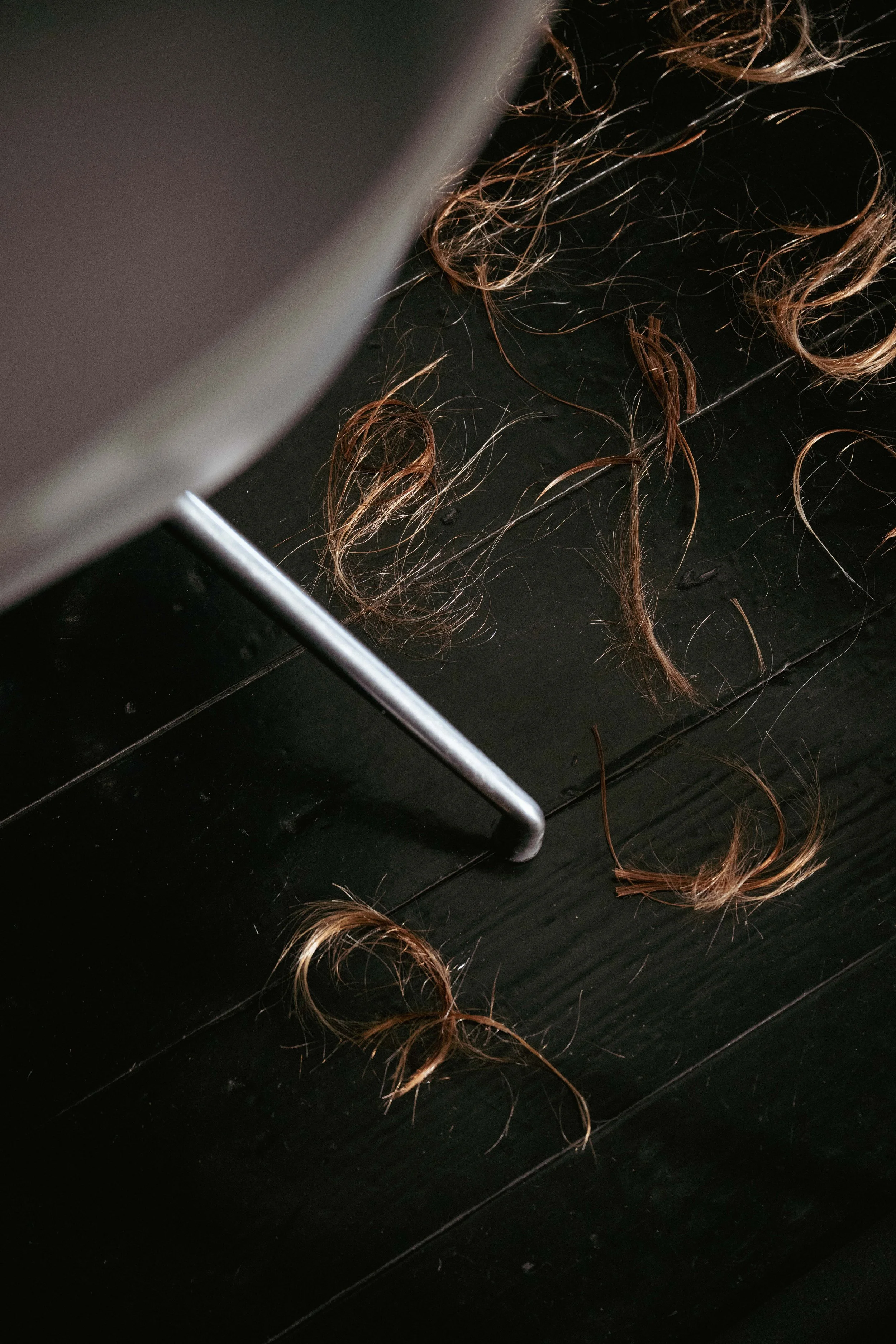
Noticing more hair than usual on your brush or in the shower can feel confronting.
Hair is deeply tied to how we see ourselves, so when it begins to thin or shed, it can feel like more than just a cosmetic concern.
If you’ve been wondering why your hair is falling out, you’re not alone — and more importantly, your body may be trying to tell you something.
At Enough, we view hair health as a reflection of internal balance. Rather than focusing solely on the symptom, we gently look deeper — exploring what may be happening beneath the surface.
⸻
Understanding Hair Loss
Hair loss is rarely caused by a single factor. More often, it’s the result of a combination of internal and external influences that disrupt the natural hair growth cycle.
Some of the most common contributors include:
Hormonal shifts
Changes during postpartum, perimenopause, or thyroid imbalance can interrupt the hair growth cycle, often leading to increased shedding.
Stress and nervous system dysregulation
Periods of emotional or physical stress can push hair into its resting phase prematurely, resulting in noticeable hair fall weeks or even months later.
Nutritional imbalances
Low levels of key nutrients — such as iron, protein, zinc and B vitamins — can impact the strength, growth and resilience of your hair.
Underlying health conditions
Autoimmune conditions, chronic fatigue and inflammation can all contribute to hair thinning or loss.
Lifestyle and environmental factors
From poor sleep and over-styling to environmental stressors, daily habits can gradually influence overall hair health.
⸻
A Holistic Approach to Hair Health
Supporting hair growth isn’t about quick fixes — it’s about restoring balance within the body over time.
Simple, supportive practices can make a meaningful difference:
• Nourish your body with whole, nutrient-dense foods
• Reduce stress through movement, rest, or mindfulness
• Practise gentle scalp care to support circulation and follicle health
• Avoid harsh treatments or tight styles that place strain on the hair
• Choose natural, gentle hair care products and minimise heat styling
• Prioritise rest and hydration to support repair and regulation
While these foundations are essential, more persistent or complex hair concerns often benefit from personalised care.
⸻
Supporting Hair Health from Within
At our Wellness Centre on Level 1, our acupuncture therapists take a root-cause approach — working with the body to restore balance, regulate hormones, and improve circulation to the scalp.
You can explore treatments with:
Claire Boxer — supporting complex and chronic conditions, including stress-related hair loss and hormonal imbalances
Meg Mead — specialising in women’s health, fertility, and hormone regulation
Kate O’Leary — integrating Traditional Chinese Medicine with Ayurvedic principles and Reiki to support hair health through nervous system regulation and whole-body balance
Through acupuncture and Traditional Chinese Medicine, treatments are tailored to your individual presentation — helping to address the underlying patterns contributing to hair loss, rather than focusing on symptoms alone.